May 13

12 moments in history

Hugh of Cluny Was Born — The monk who counseled popes and kings
Image details ↗
Semur-en-Brionnais, Burgundy, FranceMedieval
1024

Hugh of Cluny Was Born

The monk who counseled popes and kings

In the castle of Semur-en-Brionnais, Hugh was born into the Burgundian nobility -- but he would trade his aristocratic inheritance for monastic robes. Becoming Abbot of Cluny at just twenty-five, he led the most powerful monastery in Christendom for sixty years. His counsel was sought by popes and kings alike, and under his leadership, the Cluniac reform movement reshaped the medieval Church, promoting liturgical beauty, monastic discipline, and papal independence from secular rulers.
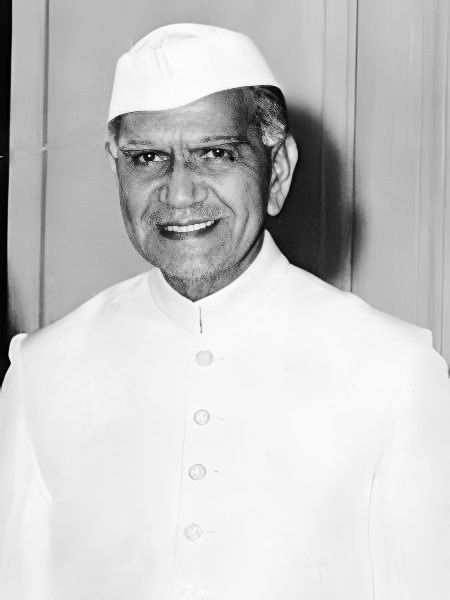
India's Fifth President Born — A lawyer destined for the highest office
Image details ↗
Havildar Patti, Assam, IndiaEarly 20th Century
1905

India's Fifth President Born

A lawyer destined for the highest office

In Havildar Patti, Assam, Fakhruddin Ali Ahmed was born into a prominent Muslim family. His path from law to politics would lead him to the presidency of India from 1974 to 1977, a tenure marked by the controversial declaration of Emergency by Prime Minister Indira Gandhi. As the constitutional head of state who signed the Emergency proclamation, his legacy remains intertwined with one of the most debated episodes in Indian democratic history.

1950 British Grand Prix — The inaugural Formula One World Championship race takes place at Silverstone Circuit.
Image details ↗
Formula One motor race held in 1950Early 20th Century
1950

1950 British Grand Prix

The inaugural Formula One World Championship race takes place at Silverstone Circuit.

The 1950 British Grand Prix, formally known as The Royal Automobile Club Grand Prix d'Europe Incorporating The British Grand Prix, was a Formula One motor race held on 13 May 1950 at the Silverstone Circuit in Silverstone, England. It was the first World Championship Formula One race, as well as the fifth British Grand Prix, and the third to be held at Silverstone after motor racing resumed after World War II.

Rajya Sabha — The Rajya Sabha, the upper house of the Parliament of India, holds its first sitting.
Image details ↗
Late 20th Century
1952

Rajya Sabha

The Rajya Sabha, the upper house of the Parliament of India, holds its first sitting.

Ben Carlin — Ben Carlin becomes the first (and only) person to circumnavigate the world by amphibious vehicle, having travelled.
Image details ↗
Late 20th Century
1958

Ben Carlin

Ben Carlin becomes the first (and only) person to circumnavigate the world by amphibious vehicle, having travelled.

Ben Carlin becomes the first (and only) person to circumnavigate the world by amphibious vehicle, having travelled over 17,000 kilometres (11,000 mi) by sea and 62,000 kilometres (39,000 mi) by land during a ten-year journey.

13 May incident — Sino-Malay race riots began in Kuala Lumpur, leaving at least 190 people dead, with the government declaring a state.
Image details ↗
Late 20th Century
1969

13 May incident

Sino-Malay race riots began in Kuala Lumpur, leaving at least 190 people dead, with the government declaring a state.

Sino-Malay race riots began in Kuala Lumpur, leaving at least 190 people dead, with the government declaring a state of emergency and suspending the Parliament of Malaysia until 1971.

The Troubles — The Troubles: A car bomb planted by Ulster loyalists exploded outside a crowded pub in Belfast, Northern Ireland.
Image details ↗
1960s–1990s conflict in Northern IrelandLate 20th Century
1972

The Troubles

The Troubles: A car bomb planted by Ulster loyalists exploded outside a crowded pub in Belfast, Northern Ireland.

The Troubles were an ethno-nationalist conflict in Northern Ireland that lasted for about 30 years from the late 1960s to 1998. Also known internationally as the Northern Ireland conflict, it began in the late 1960s and is usually deemed to have ended with the Good Friday Agreement of 1998. Although the Troubles mostly took place in Northern Ireland, at times violence spilled over into parts of the Republic of Ireland, England, and mainland Europe.

Kosovo War — Kosovo War: NATO bombs the village of Koriša, killing at least 87 people.
Image details ↗
Late 20th Century
1999

Kosovo War

Kosovo War: NATO bombs the village of Koriša, killing at least 87 people.

Enschede Fireworks Blast — A quiet Dutch city is ripped apart
Image details ↗
Enschede, Netherlands21st Century
2000

Enschede Fireworks Blast

A quiet Dutch city is ripped apart

In the peaceful Dutch city of Enschede, a fireworks storage facility erupted in a catastrophic explosion that killed twenty-three people, injured nearly a thousand, and destroyed four hundred homes. The blast sent a mushroom cloud over the city and was felt kilometers away. The disaster exposed failures in safety regulation and zoning that had allowed a massive stockpile of pyrotechnics to exist in a residential neighborhood, sparking national outrage and sweeping regulatory reform.

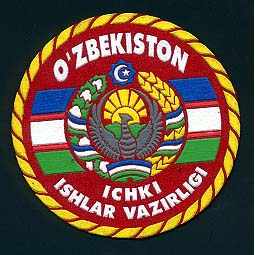
Ministry of Internal Affairs — Uzbek Interior Ministry and State Security Service troops fired at protesters in Andijan, killing between 187 and 1,500 people.
Image details ↗
21st Century
2005

Ministry of Internal Affairs

Uzbek Interior Ministry and State Security Service troops fired at protesters in Andijan, killing between 187 and 1,500 people.

Indian Mujahideen — Nine bombs placed by the Indian Mujahideen, then an unknown terrorist group, exploded in a 15-minute period in Jaipur.
Image details ↗
21st Century
2008

Indian Mujahideen

Nine bombs placed by the Indian Mujahideen, then an unknown terrorist group, exploded in a 15-minute period in Jaipur.

Nine bombs placed by the Indian Mujahideen, then an unknown terrorist group, exploded in a 15-minute period in Jaipur, India, killing 80 people and injuring more than 200 others.

Eurovision Song Contest — Eurovision Song Contest: Portugal won the contest for the first time, with the song "Amar pelos dois," performed by Salvador Sobral (pictured).
Image details ↗
21st Century
2017

Eurovision Song Contest

Eurovision Song Contest: Portugal won the contest for the first time, with the song "Amar pelos dois," performed by Salvador Sobral (pictured).