April 25

13 moments in history

Athens Falls to Sparta — The great war between Greeks finally ends
Image details ↗
Athens, GreeceAncient
404 BC

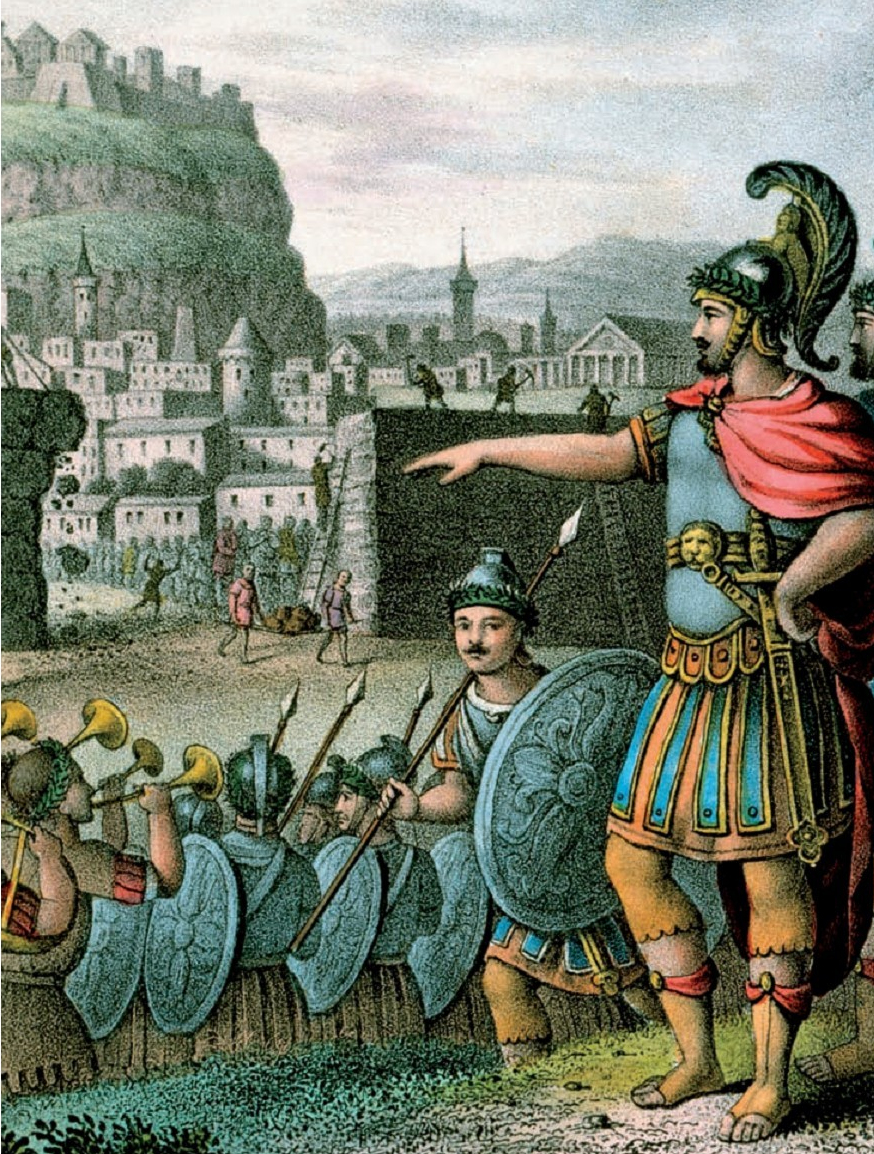
Athens Falls to Sparta

The great war between Greeks finally ends

After twenty-seven years of devastating conflict, the Peloponnesian War reached its climax as Admiral Lysander and King Pausanias of Sparta blockaded the city of Athens by land and sea. Starving and besieged, the Athenians were forced to surrender, accepting humiliating terms that included the destruction of their Long Walls and the disbanding of their fleet. The golden age of Athenian democracy was over, and Spartan hegemony over Greece had begun.
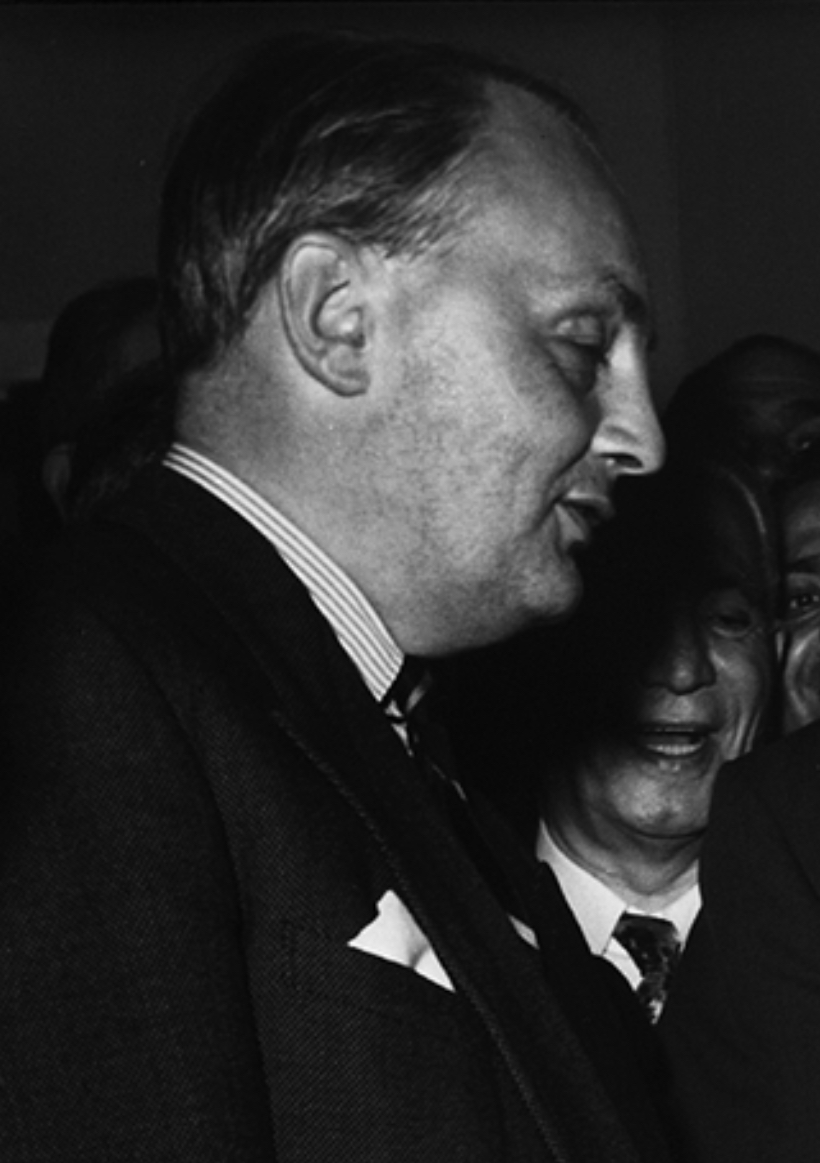
Gladwyn Jebb Was Born — The man who held the world together briefly
Image details ↗
Firbeck, Yorkshire, EnglandEarly 20th Century
1900

Gladwyn Jebb Was Born

The man who held the world together briefly

In the English county of Yorkshire, Hubert Miles Gladwyn Jebb was born into a world that would soon be torn apart by two world wars. He would help put it back together as acting Secretary-General of the United Nations from 1945 to 1946, shepherding the fledgling international body through its critical first months. His diplomatic career, spanning decades of British foreign service, made him one of the twentieth century's most influential figures in international relations.

First World War — First World War: The Australian and New Zealand Army Corps landed at Anzac Cove while British and French troops landed.
Image details ↗
1914–1918 global conflictEarly 20th Century
1915

First World War

First World War: The Australian and New Zealand Army Corps landed at Anzac Cove while British and French troops landed.

World War I, or the First World War, also known as the Great War, was a global conflict between two coalitions: the Allies and the Central Powers. Major areas of conflict included Europe and the Middle East, as well as parts of Africa and the Asia-Pacific. The war saw important developments in weaponry including tanks, aircraft, artillery, machine guns, and chemical weapons.

Gladys Elinor Watkins — Gladys Elinor Watkins consecrated the carillon of the National War Memorial in Wellington, New Zealand (dedication pictured).
Image details ↗
Early 20th Century
1932

Gladys Elinor Watkins

Gladys Elinor Watkins consecrated the carillon of the National War Memorial in Wellington, New Zealand (dedication pictured).

World War II — World War II: Liberation Day (Italy): The National Liberation Committee for Northern Italy calls for a general.
Image details ↗
Early 20th Century
1945

World War II

World War II: Liberation Day (Italy): The National Liberation Committee for Northern Italy calls for a general.

World War II: Liberation Day (Italy): The National Liberation Committee for Northern Italy calls for a general uprising against the German occupation and the Italian Social Republic.

Francis Crick — Francis Crick and James Watson publish "Molecular Structure of Nucleic Acids: A Structure for Deoxyribose Nucleic.
Image details ↗
Late 20th Century
1953

Francis Crick

Francis Crick and James Watson publish "Molecular Structure of Nucleic Acids: A Structure for Deoxyribose Nucleic.

Francis Crick and James Watson publish "Molecular Structure of Nucleic Acids: A Structure for Deoxyribose Nucleic Acid" describing the double helix structure of DNA.

Solar cell — The first practical solar cell is publicly demonstrated by Bell Telephone Laboratories.
Image details ↗
Late 20th Century
1954

Solar cell

The first practical solar cell is publicly demonstrated by Bell Telephone Laboratories.

United States Navy — The U.
Image details ↗
Late 20th Century
1960

United States Navy

The U.

The U.S. Navy submarine Triton (pictured) completed the first submerged circumnavigation of the world.

Carnation Revolution — Carnation Revolution: A leftist military coup in Portugal overthrows the authoritarian-conservative Estado Novo regime.
Image details ↗
Late 20th Century
1974

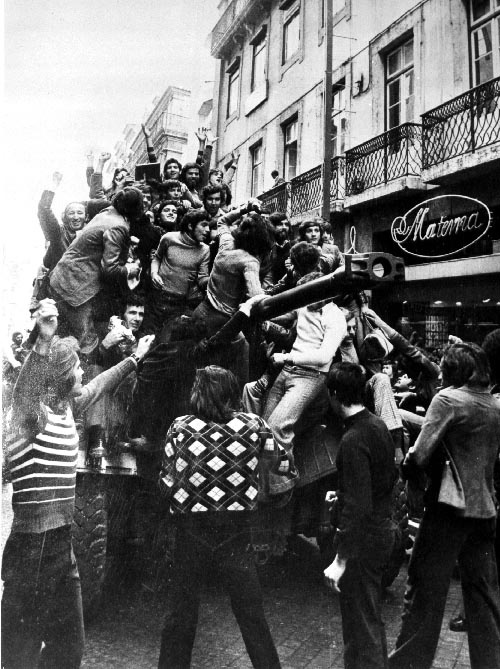
Carnation Revolution

Carnation Revolution: A leftist military coup in Portugal overthrows the authoritarian-conservative Estado Novo regime.

Margaret Thatcher — British prime minister Margaret Thatcher told journalists in Downing Street to "rejoice" upon hearing news of the.
Image details ↗
Prime Minister of the United Kingdom from 1979 to 1990Late 20th Century
1982

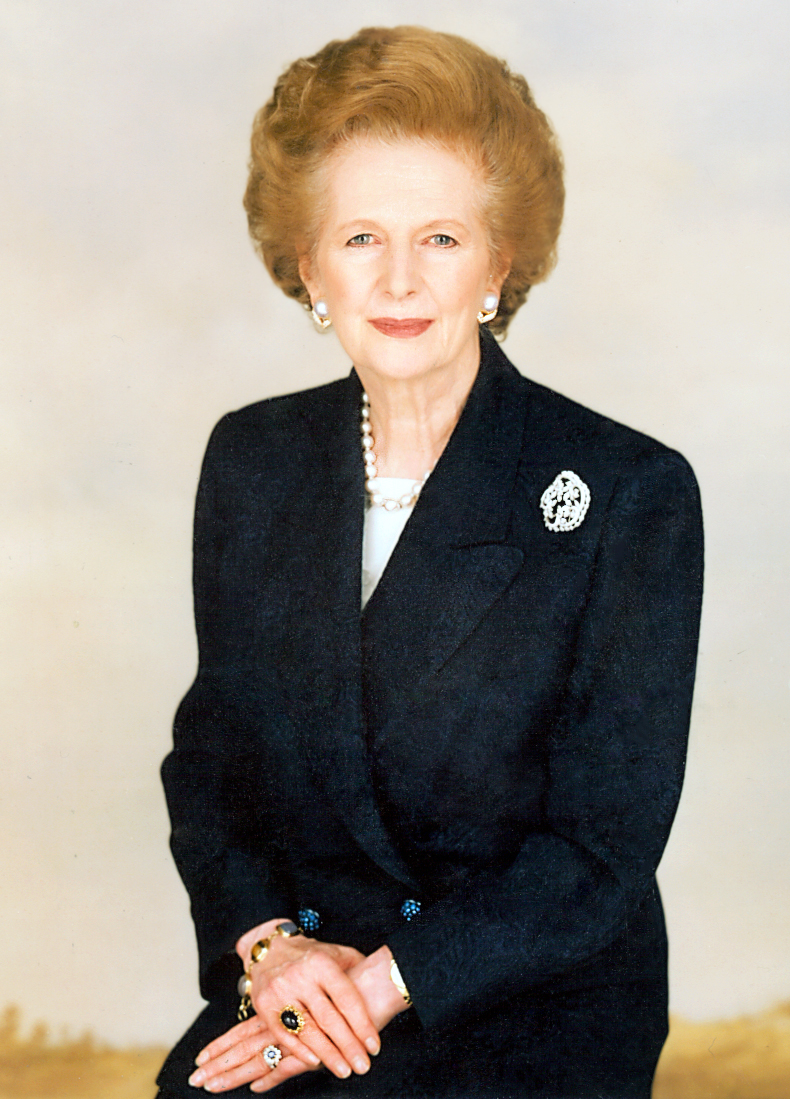
Margaret Thatcher

British prime minister Margaret Thatcher told journalists in Downing Street to "rejoice" upon hearing news of the.

Margaret Hilda Thatcher, Baroness Thatcher, was a British stateswoman who served as Prime Minister of the United Kingdom from 1979 to 1990 and Leader of the Conservative Party from 1975 to 1990. She was the longest-serving British prime minister of the 20th century and the first woman to hold the position. As prime minister, she implemented policies that came to be known as Thatcherism.

Cold War — Cold War: American schoolgirl Samantha Smith is invited to visit the Soviet Union by its leader Yuri Andropov after he.
Image details ↗
1947–1991 geopolitical rivalry between US and USSRLate 20th Century
1983

Cold War

Cold War: American schoolgirl Samantha Smith is invited to visit the Soviet Union by its leader Yuri Andropov after he.

The Cold War was a period of international geopolitical rivalry between the United States (US) and the Soviet Union (USSR) and their respective allies, the capitalist Western Bloc and communist Eastern Bloc, which began in the aftermath of the Second World War and ended with the dissolution of the Soviet Union in 1991.

Violeta Chamorro — Violeta Chamorro took office as President of Nicaragua, becoming the first female head of state in the Americas to have been elected in her own right.
Image details ↗
Late 20th Century
1990

Violeta Chamorro

Violeta Chamorro took office as President of Nicaragua, becoming the first female head of state in the Americas to have been elected in her own right.

Dejan Kulusevski Was Born — Swedish-Macedonian flair meets English football
Image details ↗
Stockholm, Sweden21st Century
2000

Dejan Kulusevski Was Born

Swedish-Macedonian flair meets English football

In Stockholm, Dejan Kulusevski was born to parents of North Macedonian heritage, inheriting a blend of Scandinavian discipline and Balkan creativity that would define his playing style. Rising through Swedish youth football before starring in Italy's Serie A, he found his home at Tottenham Hotspur, where his vision, work rate, and technical brilliance made him one of the Premier League's most complete attacking players.